

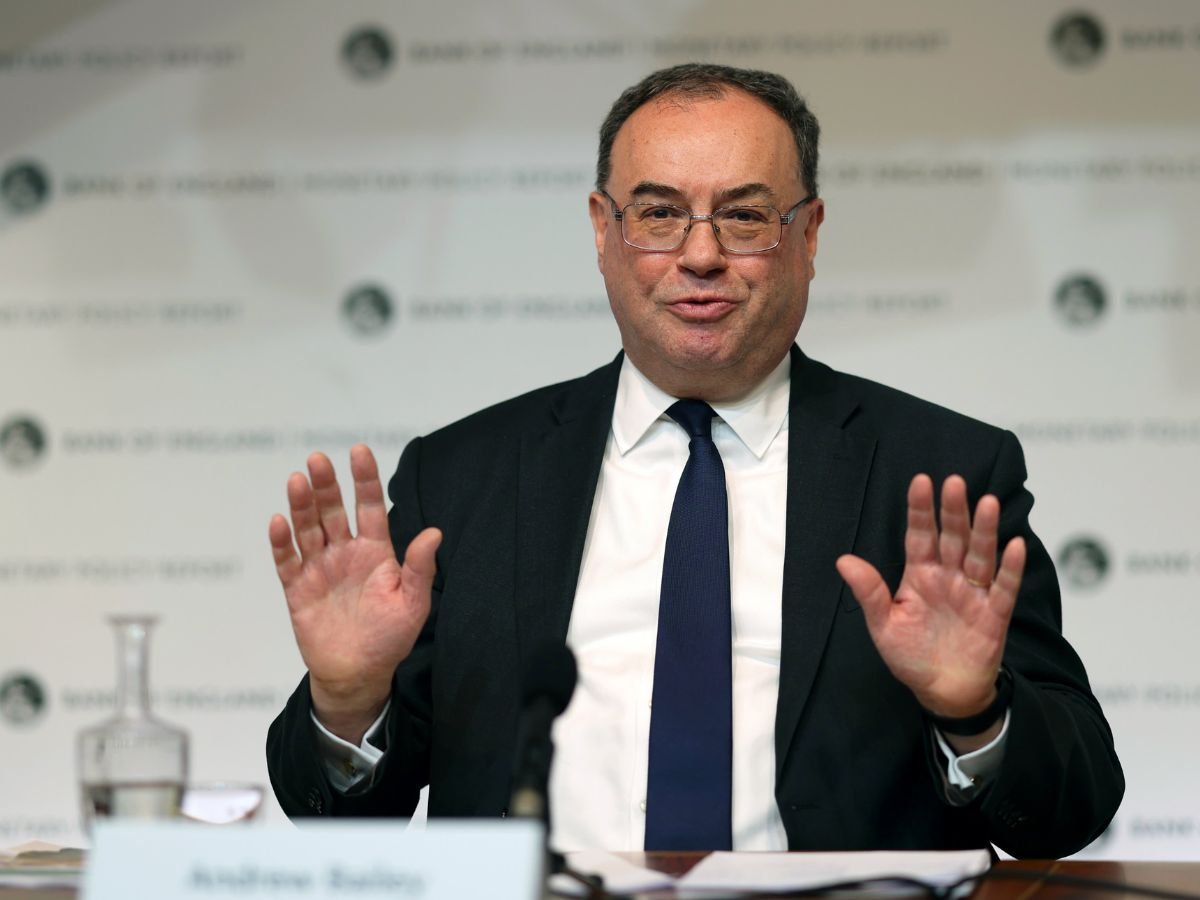
The Bank of England has opted to hold the UK’s base interest rate steady at 3.75%, despite mounting global economic strain resulting from the conflict in Iran. This move aligns with a broader trend among central banks, including those in the United States and the eurozone, which have hiked borrowing costs to combat surging oil prices. Christine Lagarde, President of the European Central Bank, has overseen two rate increases this year, while Kevin Warsh, the recently appointed chairman of the Despite global oil prices climbing to $108 per barrel due to regional tensions and threats from Houthi rebels, there has been little evidence of second-round inflation effects within the UK thus far. Consequently, six of the nine MPC members voted to keep rates unchanged, though some officials warned that the risks posed by the ongoing conflict could necessitate a policy shift soon. Bailey expressed concern that a declining urgency to negotiate peace in the region could prolong inflationary pressures. Looking ahead, the Bank’s previous economic forecasts suggested that if the conflict continues, inflation may peak at around 4.5% next year, significantly surpassing the Bank’s target. This scenario foresees a potential basis for the MPC to raise interest rates to 4.25%, with a possibility that these rates could remain elevated for years. Policymakers recognise that higher petrol prices and household energy bills could lead to a persistent rise in costs across various sectors, amplifying the risk of a wage-price spiral. Additional complications arise from the UK’s job market, where unemployment has climbed to 4.9%, a marked increase from the near-record low of 3.6% seen in 2022. Although the outlook for British job growth appeared subdued, recent indicators suggest a stabilization, which may provide workers with more leverage to demand higher wages during the crisis. While food price inflation has remained unexpectedly low, experts caution that this could shift due to adverse weather conditions and rising fertiliser costs linked to the ongoing conflict. Catherine Mann, an MPC member who supported a rate hike, identified the combined threat of increasing energy and food costs as a primary catalyst for potential inflation spikes. As the Bank continues to monitor the evolving situation, an interest rate increase during the November meeting remains a possibility if conditions fail to improve. Every member of the MPC acknowledges that adjustments may be necessary as they work to keep inflation within target limits. The MPC has indicated that it remains prepared to act as required to ensure economic stability. Originally reported by www.distilledpost.com. This article has been independently rewritten for republication.
Bank of England Maintains Base Rate Amid Global Economic Pressures
Previous ArticleInvestment moves enamel regeneration closer to market

Related Posts
Add A Comment