

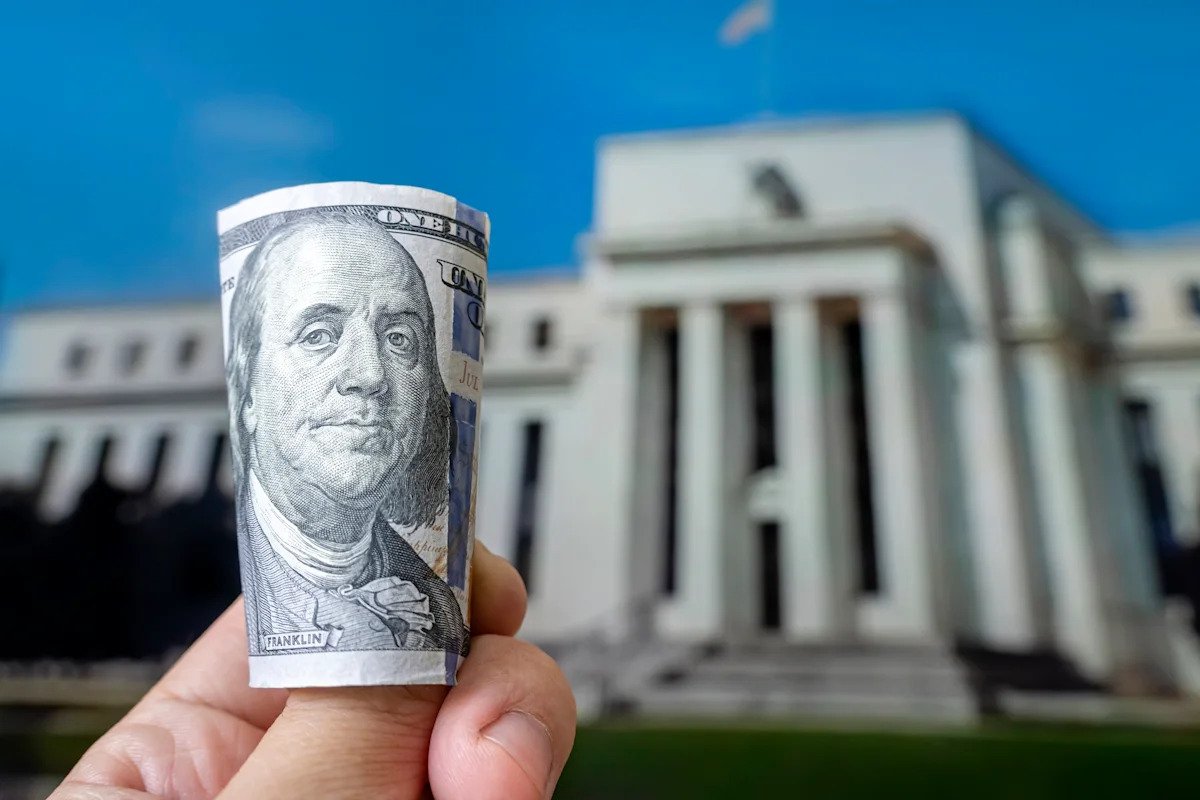
You might only consider the Federal Reserve when news outlets report on interest rate changes. However, the Fed performs many other functions that frequently influence the personal finances of Americans.
Discover how Fed rate moves affect your money.
What does the Federal Reserve do?
The Federal Reserve functions as a bank for other financial institutions. It holds deposits for banks, provides loans to these institutions, and manages the systems that allow banks to lend funds to one another.
Additionally, the Federal Reserve maintains the stability of the banking system and guides the national economy by managing the U.S. money supply and influencing interest rates.
The Federal Reserve System, commonly known as the Fed, carries out five primary responsibilities:
Monitoring and guiding the economy. The Fed sets an interest rate used by banks for very short-term lending. Known as the federal funds rate, this benchmark influences the interest rates that financial institutions offer to consumers. Through this “monetary policy,” the Fed can gradually push consumer prices up or down.
Maintaining a stable financial system. The Fed oversees the banking industry to help mitigate widespread economic risks.
Monitoring the health of U.S. banks to manage the risk of individual financial institution failures.
Facilitating a national payment system. The Fed enables the transfer of large sums of money between financial institutions and the government.
Serving to enhance consumer protection and community economic development by supervising and regulating the U.S. financial framework.
Here’s how the Fed affects student loan interest rates.
What is a central bank?
The Federal Reserve is frequently referred to as the U.S. “central bank.” Most nations maintain their own central banks, such as the Bank of Canada in Canada or the Bank of England in the United Kingdom.
The core purpose of all central banks is identical: to monitor and ensure the stability of financial systems, including the currencies, banks, and economies of their respective regions.
Who owns the Federal Reserve? No single entity owns the Federal Reserve. Created by the Federal Reserve Act in 1913 to serve as the nation’s central bank, the Fed is an independent government agency that remains accountable to Congress and the American public.
How much control does the president have over the Fed and interest rates?
The Federal Reserve System
Although it is called the central bank of the United States, the Federal Reserve System is actually comprised of 12 districts, each featuring its own reserve bank. Every Federal Reserve district is governed by a nine-member board of directors. Six members are elected by private commercial banks within the district, while three are appointed by the Fed’s Board of Governors.
Each regional reserve bank assists in transferring funds between banks and other districts while conducting research on local economic conditions to help inform the Fed’s monetary policy.
The 12 districts are Boston, New York, Philadelphia, Cleveland, Richmond, Atlanta, Chicago, St. Louis, Minneapolis, Kansas City, Dallas, and San Francisco.
Discover when the next Fed meeting will be held.
The FOMC and what it does
The Federal Open Market Committee, or FOMC, is the branch of the Fed most frequently mentioned in the news. As Chair of the Board of Governors, Kevin Warsh is the most prominent of the dozen members of the FOMC.
The FOMC convenes at least eight times annually to establish the nation’s monetary policy, which includes:
Determining the federal funds rate, as mentioned above. This is the interest rate applied to overnight loans between banks.
Setting a discount rate, which is the interest charged to financial institutions that borrow directly from the Fed.
Buying and selling securities held in its own portfolio.
Determining reserve fund requirements for banks, if any.
The Fed also uses other tools to meet its mandate to promote the nation’s economic stability.
What is the Federal Open Market Committee (FOMC)?
The Federal Open Market Committee makes decisions throughout the year that touch the financial lives of virtually every American. Here’s a look at what the FOMC does, current FOMC members, and how their decisions affect your money.
What role does the Fed play in consumer protection?
Our central bank has a hand in ensuring your finances are protected. Learn how the Fed protects consumers through regulation, bank supervision, community initiatives, and more.
What is fractional reserve banking?
Fractional reserve banking is a system that requires banks to keep a certain amount of cash available at all times. Here’s how fractional reserve banking works and why it matters.
Banking 101: What is a bank, and what does it do?
Wondering what banks do, exactly? Here’s a breakdown of what a bank is, what services it provides, and how to choose the right bank for you.
Understanding the Fed’s rate decisions: Do we want high or low interest rates?
The Federal Reserve’s interest rate decisions can directly impact your wallet. So what’s better: high or low interest rates?
What a Fed rate hike means for your bank accounts, loans, credit cards, and investments
Here’s how the Fed’s rate decision could impact savings products, various types of loans, and credit cards.
