
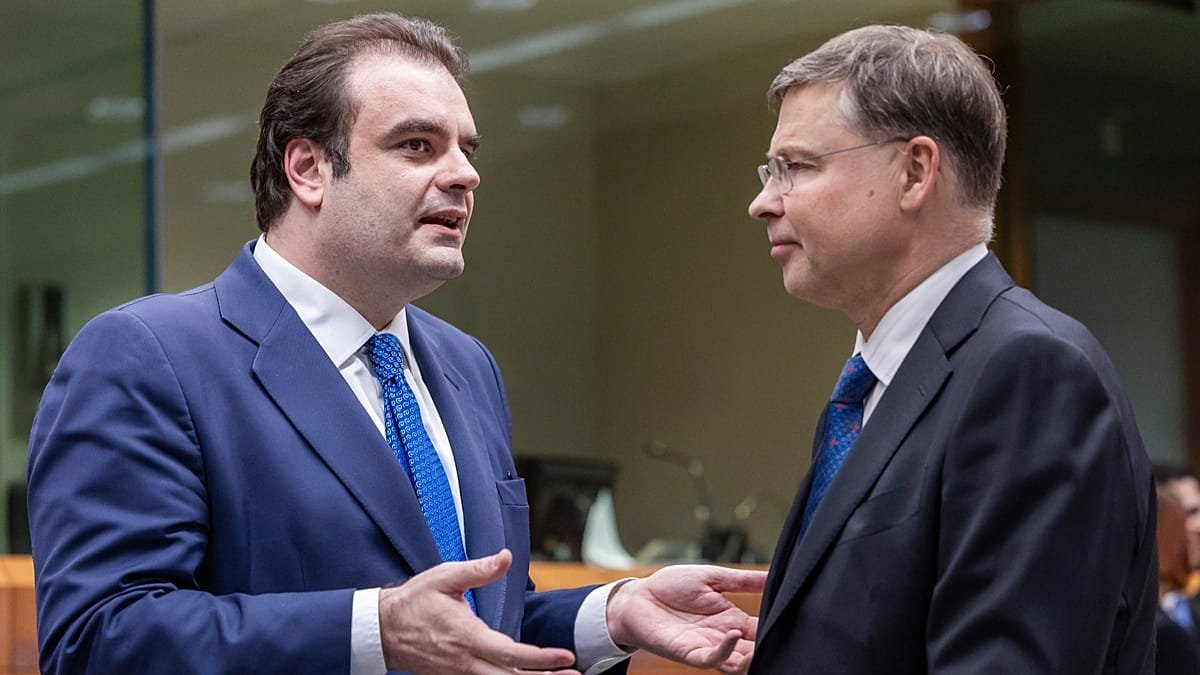
EU ministers gathering in Dublin this Friday and Saturday are evaluating the implementation of a windfall tax on energy corporations, as ongoing price volatility continues to threaten the “Member states can already implement windfall profit taxes at the national level if they decide to do so. From the Commission side, we are ready to support those member states by sharing best practices and finding a good way forward.” German Finance Minister Lars Klingbeil is urging the European Commission to provide models for a windfall tax, requesting that a proposal be ready for the next Economic and Finance Council meeting in October. “You know that I have been fighting for this for a long time, together with other European finance ministers,” Klingbeil said on the sidelines of Friday’s meeting. Spanish Finance Minister Carlos Cuerpo also expressed his support for the proposal on Friday. “We are managing to lower the bill for homes, companies, industries, transport companies, and this at the expense of the taxpayer’s money. We believe there may be fairer ways to distribute this cost,” Cuerpo said. French Finance Minister Roland Lescure has adopted a more cautious stance regarding the proposal. “This [energy] shock can have a different impact on different countries. We do feel that whatever discussion we have, whatever work has been done, needs to take into account the specificities of each country,” he said ahead of the meeting on Friday, specifying that France has a “bigger electricity mix”. To the direct question on whether he supports the proposal or not, Lescure said that he support any work that’s being done, but that “I can’t support something before I’ve seen it”. “I’ll see what the work comes out with, and then we’ll have a discussion.” Although the energy crisis is impacting the bloc, member states are not affected uniformly, leading to significant variations in pump prices. Finland, Denmark, and the Netherlands, which currently pay the highest rates for diesel in the EU, apply some of the world’s steepest fuel taxes, driving retail prices significantly higher. Conversely, Eastern European nations such as Bulgaria and Poland maintain lower excise duties, which helps keep pump prices down. Malta currently records the lowest diesel prices in the EU, with a cost of €1.20 per litre as of 14 energy firms taxes weighs windfallEnergy taxes: the bulk of pricing
EU weighs windfall taxes on energy firms amid growing economic strain

Add A Comment