

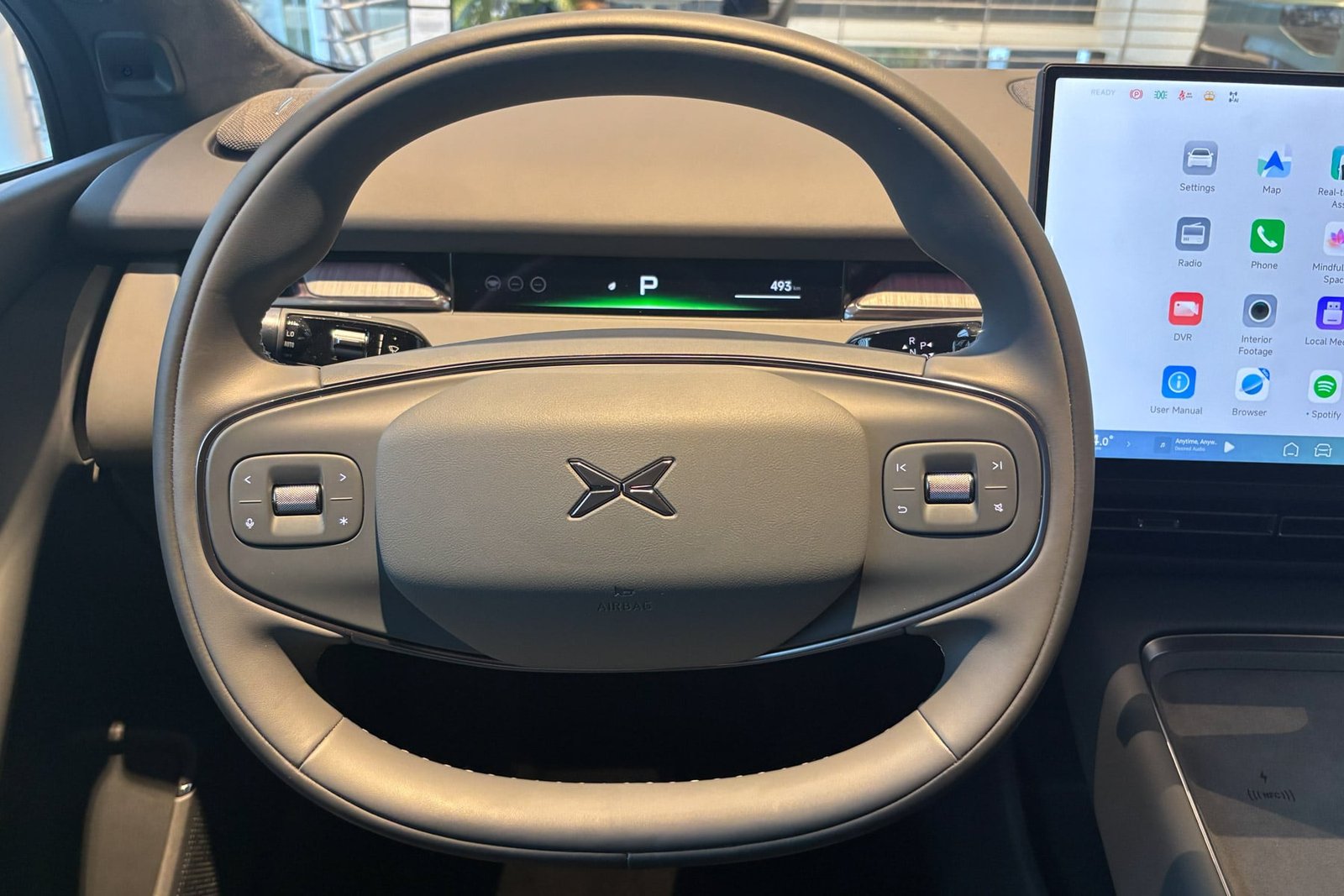
Chinese electric vehicle manufacturer Xpeng reportedly intends to license its platforms and software solutions to other international automotive groups. Building on its existing partnership with Volkswagen, the company is looking to create new revenue streams.
Industryessed interest in collaborating. The objective is to generate additional income through vehicle software and electronics, expanding beyond its core partners includes core elements of its modern vehicle architecture. This encompasses electrical and electronic systems, intelligent cockpit solutions, Turing AI chips, and advanced software for driver assistance. According to the report, the company is targeting not only traditional automakers but also foreign software developers and automotive suppliers as potential partners.
Xpeng also seeking to license robotaxi technology
Furthermore, Xpeng is looking to expand its licensing and development business into the realm of ‘Physical AI‘. This includes applications such as robotaxis, humanoid robots, and the operational implementation of robotaxi fleets. Around six months ago, the company established a strategic commercialisation team to build new partnerships based on the experience gained from its alliances, the report adds.
This strategic shift follows a period of significant growth within the services sector. While the traditional vehicle business has faced pressure from shrinking margins and intense price competition, the services and other business segments have recently seen strong growth. Specifically, in the second quarter of 2026, revenue increased by 93.9 per cent to 2.70 billion Yuan (~€350 million euros). The primary driver of this growth was technology-related research and development services for Volkswagen.
VW cooperation leads to first vehicles
The cooperation with Volkswagen, which was solidified in July 2023 through a 5 per cent stake acquisition by the Wolfsburg-based company, is expected to serve as a blueprint for future collaborations. The jointly developed electric model, the ID.UNYX 08, for the Chinese market is based on Xpeng’s Edward platform and utilises cockpit systems, smart driving technologies, and its Turing chips. Soon, the first electric vehicles from VW in China – based on VW’s newly developed ‘China Electronic Architecture‘ – are also expected to follow. By opening up to additional international customers, the company aims to further expand this high-margin business segment.
