
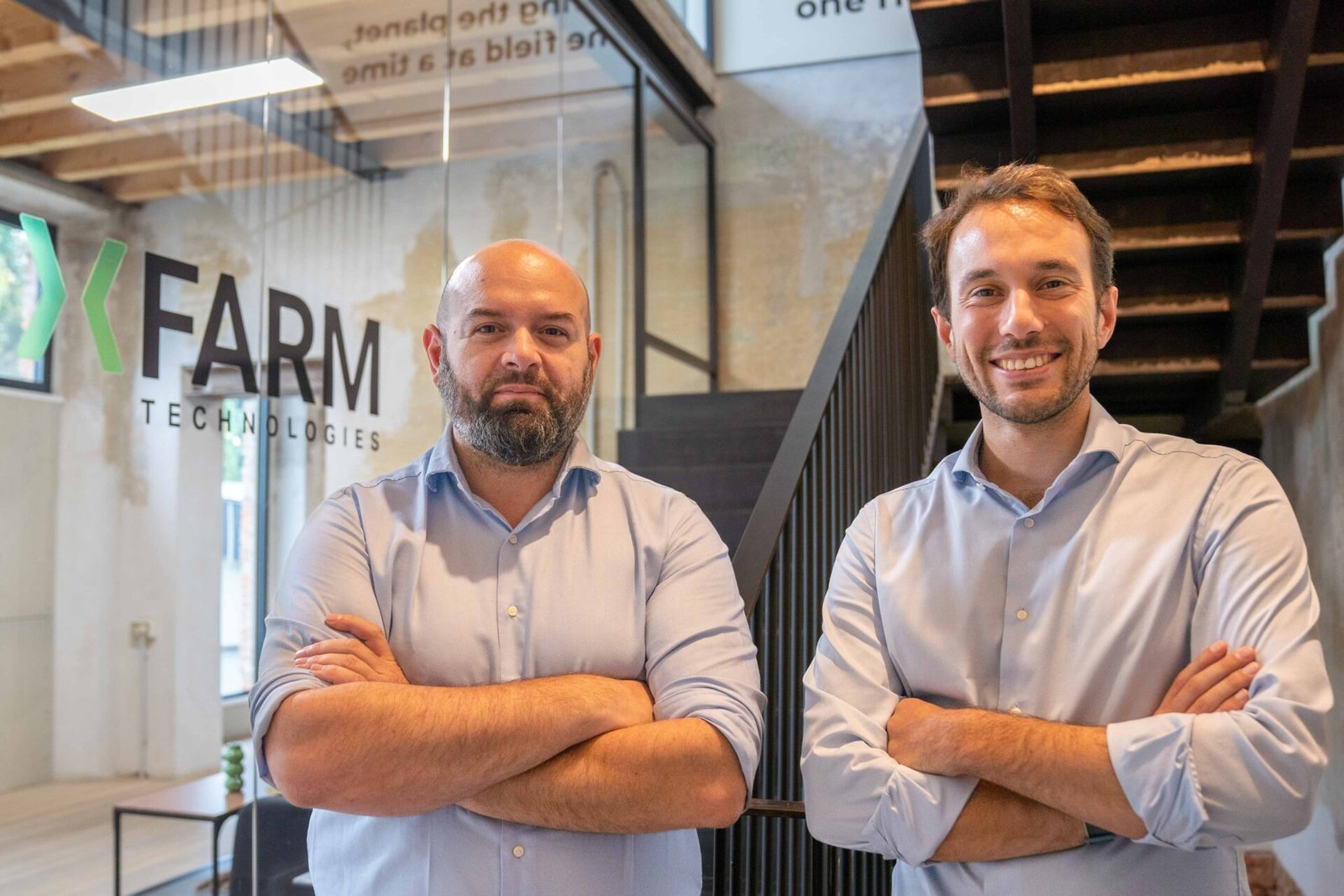
The deal enhances xFarm’s existing supply chain intelligence solutions and opens the door to the sugarcane and biofuel industries.
Much of the agricultural data currently available only informs farmers about immediate field conditions; such as which crops are growing, the health of those plants, or the emergence of pests. While this information is useful, it only scratches the surface. Deeper insights regarding land-use efficiency, the verification of sustainability practices, and the ability to trace crops throughout the supply chain remain largely inaccessible to most farmers, often trapped in paperwork, fragmented across various systems, or entirely invisible.
What Sibium brings
xFarm has finalized six acquisitions over the last four years, with each move adding new geographic reach, crop segments, or technical capabilities. The Sibium transaction addresses all three of these objectives simultaneously.
Sibium Analytics ranks among Brazil’s premier agtech firms within the sugarcane sector, partnering with nine of the nation’s largest producers and monitoring over 8 million hectares annually.
This scale is significant because Brazil’s sugarcane industry is massive: the country accounts for roughly half of global sugarcane production, exports to 145 nations, and stands as the world’s leading producer of sugarcane ethanol. For xFarm, which already held a top position in Brazilian cotton and maintained a strong presence in coffee, sugar beet, and corn, this acquisition rounds out its major crop coverage in what has become its second-largest market.
However, the strategic rationale extends beyond simply filling a gap in its crop portfolio. Sibium has developed three specific products—SIGMA for Crop Monitoring, AMBIUM for ESG Audits, and DATA VIEW for analytics—that xFarm plans to roll out to its existing client base across Europe and Brazil.
Collectively, these three tools bolster xFarm’s current supply chain intelligence offerings. With Sibium integrated, the platform can track a crop from the moment of planting, through harvest, processing, and certification, all the way to the point where a buyer needs to verify its environmental profile and provenance. This level of end-to-end traceability is exactly what food companies, regulators, and increasingly, financial institutions are beginning to mandate.
The energy angle
One element of the Sibium deal that distinguishes it from a typical agtech acquisition is the exposure it provides to the biofuels market. Brazil’s sugarcane ethanol sector is far from a niche; approximately 80 percent of the ethanol produced in the country is derived from sugarcane, which also provides bioelectricity for the national power grid. New regulations anticipated for 2027 will substantially increase documentation requirements for biofuel producers, driving demand for the audit-ready data trails that Sibium’s business that is increasing.”
xFarm plans to export these capabilities to other sugarcane-producing regions, including Thailand and India, while expanding its bioenergy offerings into related sectors. In Europe, the company is closely monitoring biogas and biomethane as regulatory standards regarding fuel sustainability tighten, and it already maintains partnerships with major players in the solar panel and Agrivoltaic industries.
Consolidation, at scale
The Sibium deal marks the second Brazilian acquisition xFarm has completed in two years, and Vanotti notes that this momentum will continue, both within current geographies and, eventually, in new territories.
The market for agricultural data remains highly fragmented, with local leaders dominating specific countries, supply chain niches, and crop segments. Furthermore, the regulatory complexity inherent in each market prevents a simple, one-size-fits-all global rollout. Acquisitions, when combined with robust organic growth, serve to accelerate this international expansion.
With more than 24 million hectares now under its management, the company believes it has achieved the scale necessary for its data advantage to become self-reinforcing. A larger footprint means richer training data for its agronomic models, more accurate recommendations for farmers, and a more compelling value proposition for financial institutions and food companies seeking a single window into global agricultural supply chains. The inclusion of BlackRock as an institutional backer for this operation indicates that this consolidation strategy is attracting interest from well beyond the sector’s traditional investor base.
For a platform that originated because two farmers struggled to manage their own paperwork, this may be the most significant indicator of how far the data layer has evolved.
