
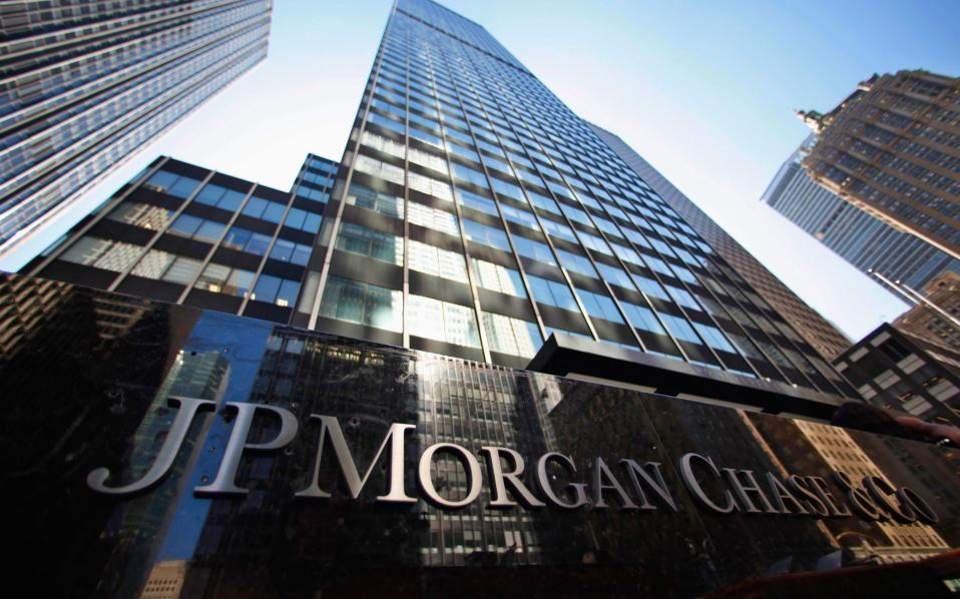
A recent analysis by JPMorgan explores the resilience and authenticity of Greece’s macroeconomic outlook, noting that significant progress has been made regarding fiscal policy and investor confidence.
However, while the Greek recovery is maturing and a transition toward a productivity-driven growth model is achievable, it is by no means guaranteed.
As JPMorgan points out, the macroeconomic landscape in Greece has seen substantial improvement. GDP growth has consistently outpaced the eurozone average for several years, unemployment has dropped from 28% to 8%—returning to pre-crisis levels—the fiscal position remains robust, the debt-to-GDP ratio is falling sharply, and the Greek state has achieved <a catch-up" momentum fades. GDP growth is projected to slow to 1.4% as the Recovery and Resilience Facility concludes, the recovery cycle matures, and demographic challenges become more pronounced.
The government’s objective is to transition from subsidy-dependent growth to a model driven by productivity, supported by structural reforms, increased private investment, and a more robust tradable goods sector.
Originally reported by www.ekathimerini.com. This article has been independently rewritten for republication.
